
Step 1: Setup (Phase I)
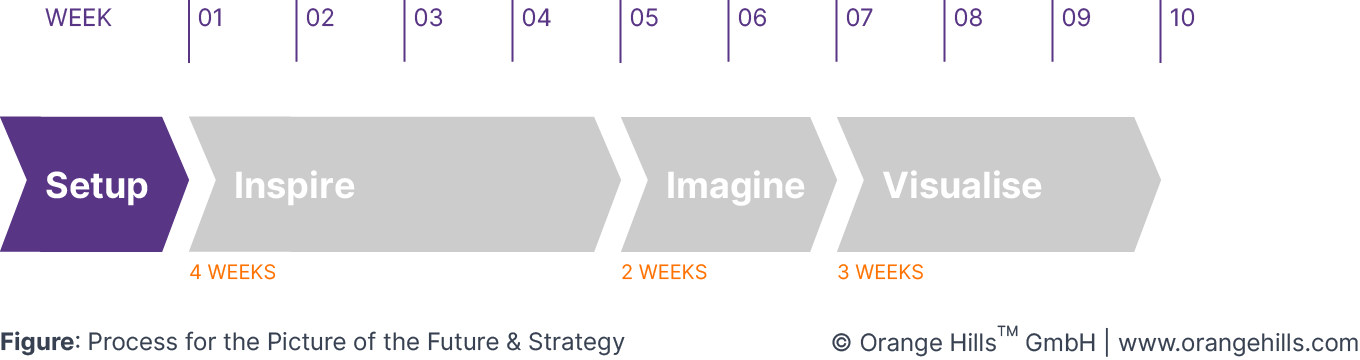
1. Purpose
Many innovation projects fail because they never get the right foundation in place. For bigger project setups, we tend to write a Project Charter that outlines the motivation, goals and scope of the project. For inspirational research, we keep the setup phase as lean as possible. We define a Project Team and nominate an experienced Team Coach. Both need enough time and resources to run the project — plan around one day per week for each team member. The Sponsor of the project is usually part of the company's management. They make sure the resources are available and that the project team pursues the right ambition: how much change is expected within a given timeframe. This can range from many small, incremental changes to a radical overhaul of the entire business model.
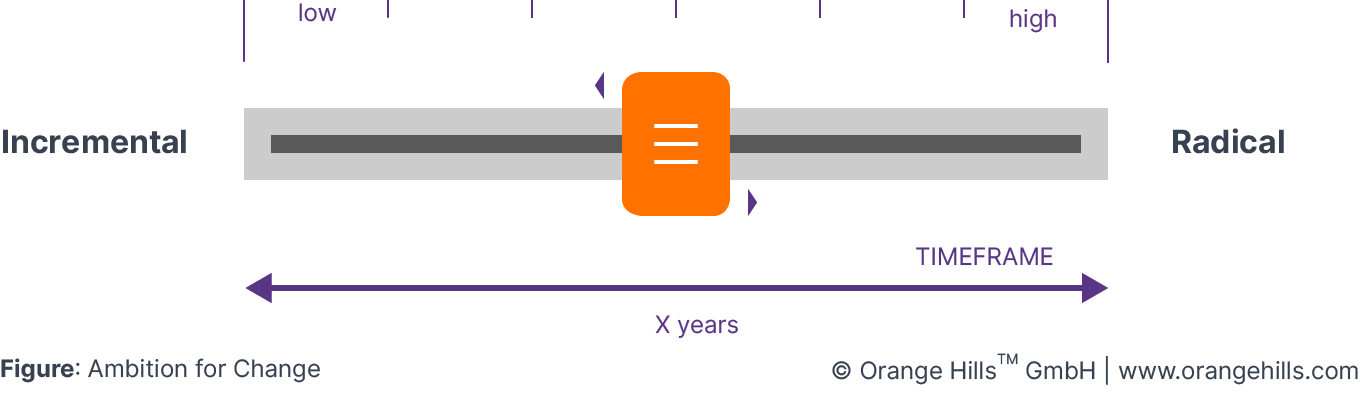
Depending on the appetite for change, the Project Team focuses the research accordingly.
2. Key Activities
The following activities are the core of the Setup phase:
Gain internal sponsor support: Every Business Design project needs legitimacy and resources, so you need to identify and win over an internal Sponsor. For inspirational research, the right sponsor is someone who will later take part in developing the Picture of the Future and the strategy — usually the head of a business unit or a C-Level Manager.
Define project focus: Get a clear picture of the appetite for change — this is what makes the outcome valuable for the strategy process. Define how much change you expect, and within what timeframe, before you start the research.
Build a curious team: Inspirational research needs two to three people who are curious to learn and open enough to challenge the status quo. Seniority or industry experience doesn't matter much at this stage. Ask the internal sponsor for advice on the team line-up, and make sure everyone can dedicate enough time over the next few weeks.
As Team Coach, schedule a "get-to-know" call with every member of the Project Team before you kick off the project.
3. Formats
Get-to-know calls (30 min.) with Team Manager and Team Members
Kick-off Workshop (preparation)